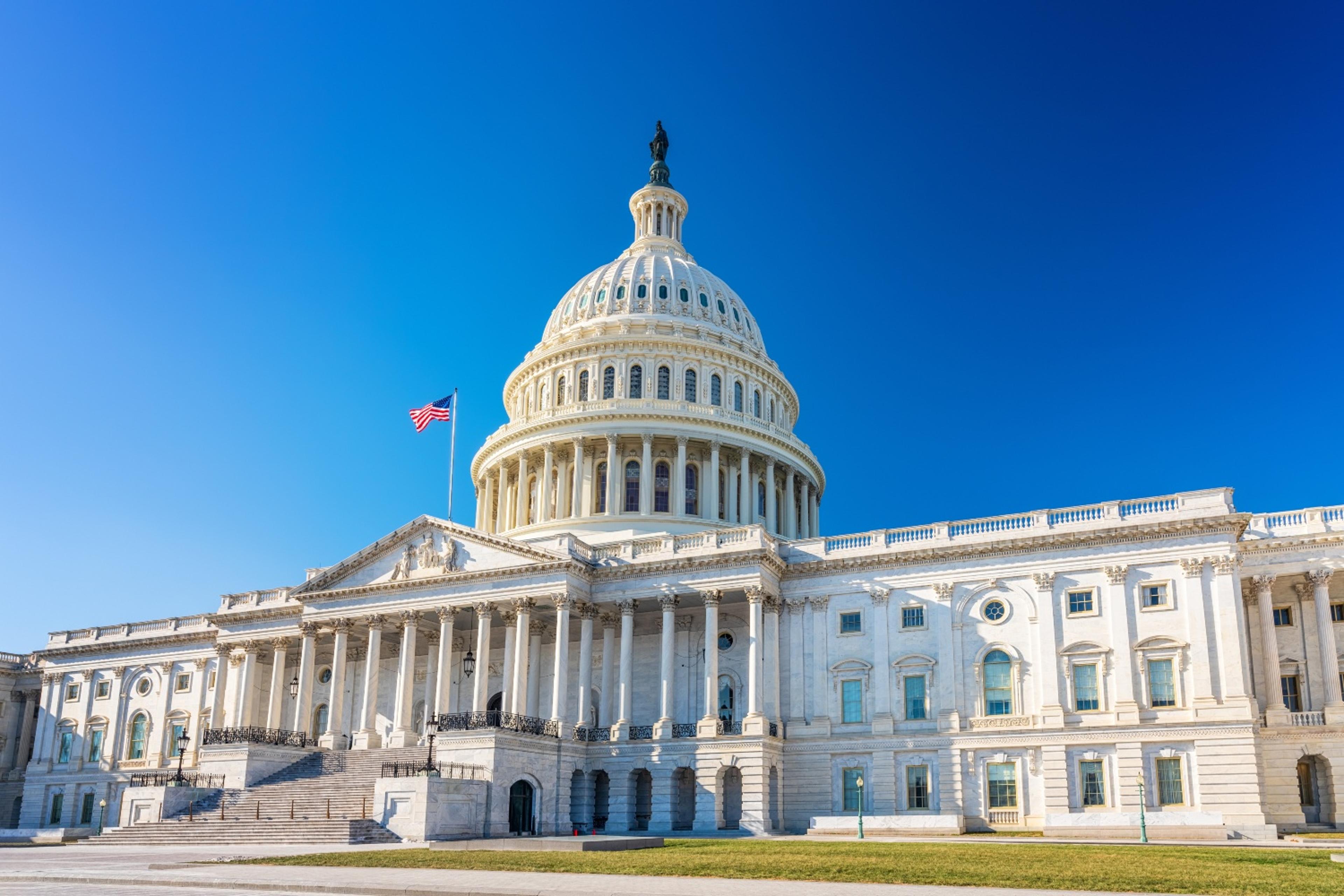
A view from DC: The first lady takes online safety to the global stage

In an upcoming summit, the spouses of leaders from more than 45 countries will gather in D.C. with tech executives as part of a new initiative with a broad set of goals.
Contributors:
Cobun Zweifel-Keegan
CIPP/US, CIPM
Managing Director, Washington D.C.
IAPP
The White House has a long history of East Wing diplomacy. Before the physical wing of the building was demolished last year, it had long served as the historical base of operations for the Office of the First Lady, and thus became a shorthand to refer to the office. Though the depth and vigor of international engagement from the East Wing have differed wildly between administrations, first ladies occupy a unique vantage in the U.S.'s shadow diplomacy playbook.
Eleanor Roosevelt is perhaps the best example, as she became a driving force behind the United Nations Universal Declaration of Human Rights. Similarly, Hillary Clinton used her famous speech on women's rights as human rights to press China on an issue that could have caused a diplomatic spat if it came from the White House itself.
Often characterized as a reluctant public figure, Melania Trump has not made use of her office much to engage on the international stage. However, even in her first term in the White House, Trump engaged in official international trips and fostered relationships with other first spouses on the sidelines of gatherings like the G-7 and NATO.
Most remembered from Trump's first stint as first lady is her cyberbullying public awareness campaign known as "Be Best." It largely promoted existing government programs and remained domestic in its focus. No shadow diplomacy here.
But her second term in the Office of the First Lady is shaping up to be different, not just architecturally, but also diplomatically. Last September, in remarks at a reception of country leaders and spouses on the sidelines of the 80th United Nations General Assembly, Trump announced the launch of an international initiative branded "Fostering the Future Together."
As the press release about the first lady's speech explains. "Fostering the Future Together's objectives during this initial phase include:
- Prioritization of personal development of children.
- Unification of efforts surrounding children, technology, and education.
- Collaboration with the private sector to provide access to innovative education technology, including artificial intelligence, robotics, and blockchain.
- Exchange of solutions encompassing advantages and risks of artificial intelligence.'
This new initiative — and Melania Trump's foray into shadow diplomacy — is about to be pressure tested in a big way. The White House announced that 45 countries will attend a two-day gathering in the final week of March. They are responding to the first lady's call for "the spouses, or equivalent representatives, of heads of government" to assemble at the White House for a "Global Coalition Summit," which will also feature representatives from 28 "best-in-class technology entities."
Whether or not the first lady's goals of "action-oriented diplomacy" ultimately bear fruit, the upcoming gathering represents an unprecedented level of diverse international participation in a White House-hosted event. Though both Presidents Obama and Biden convened Africa Leaders Summits at the White House with country counts that exceeded 45, this convening appears more global in nature.
Though short on substantive details, the agenda for the summit makes clear this is far more than a social gathering. It will begin with a "working session" hosted by the U.S. Department of State, "designed to equip representatives of First Spouses with practical approaches, innovative tools, and actionable strategies to leverage opportunities and address challenges children face in the digital era."
The agenda goes on to describe a mixture of policy roundtable and trade show: "Through collaborative discussions with tech companies, organizations, and education experts, participants will identify best practices and build partnerships to advance digital education, safety, and literacy for children in their countries. There will also be a hands-on tech and education exposition for First Spouses and their advisors in attendance to engage directly with private-sector leaders and interface with a variety of innovative and educational products and services."
Notably, "child online safety protocols" are listed among the possible "actions and policies" that fit within the umbrella of the Fostering the Future Together coalition. On that topic, Trump will no doubt highlight about her support of the Take It Down Act, which was signed into law in 2025. Beyond this, other U.S. online safety measures remain mired in ever-widening disagreements among stakeholders and policymakers.
That said, while safety remains a foundational element of the new Fostering the Future Together initiative, it is no longer the focus like in Be Best's prior iterations. Instead, the initiative explicitly frames AI, robotics and blockchain as tools for building intellectual freedom, curiosity and AI literacy. In this view, safety protocols are one ingredient in a much larger recipe for career readiness and national competitiveness. By focusing on digital empowerment, it appears the coalition is poised to move the conversation away from guardrails and toward the embrace of new technologies, an echo of the administration's overall policy focus.
What could the outcomes be? Materials describing the summit provide hints that "major technology companies" have agreed to make new technologies available to participating countries "either at no cost or very low cost," but the scope of such commitments is not yet public.
Whether the summit will result in substantive policy pledges or other public commitments between the assembled tech companies and participating countries remains to be seen. Even so, in a time of global tension, the ability to bring together so many stakeholders to discuss these issues highlights again that children and technology remain top-of-mind for policymakers around the world.
Please send feedback, updates and spousal equivalents to cobun@iapp.org.
This article originally appeared in The Daily Dashboard and U.S. Privacy Digest, free weekly IAPP newsletters. Subscriptions to this and other IAPP newsletters can be found here.

This content is eligible for Continuing Professional Education credits. Please self-submit according to CPE policy guidelines.
Submit for CPEsContributors:
Cobun Zweifel-Keegan
CIPP/US, CIPM
Managing Director, Washington D.C.
IAPP