US Supreme Court limits use of location data; upholds firing of FTC's Slaughter
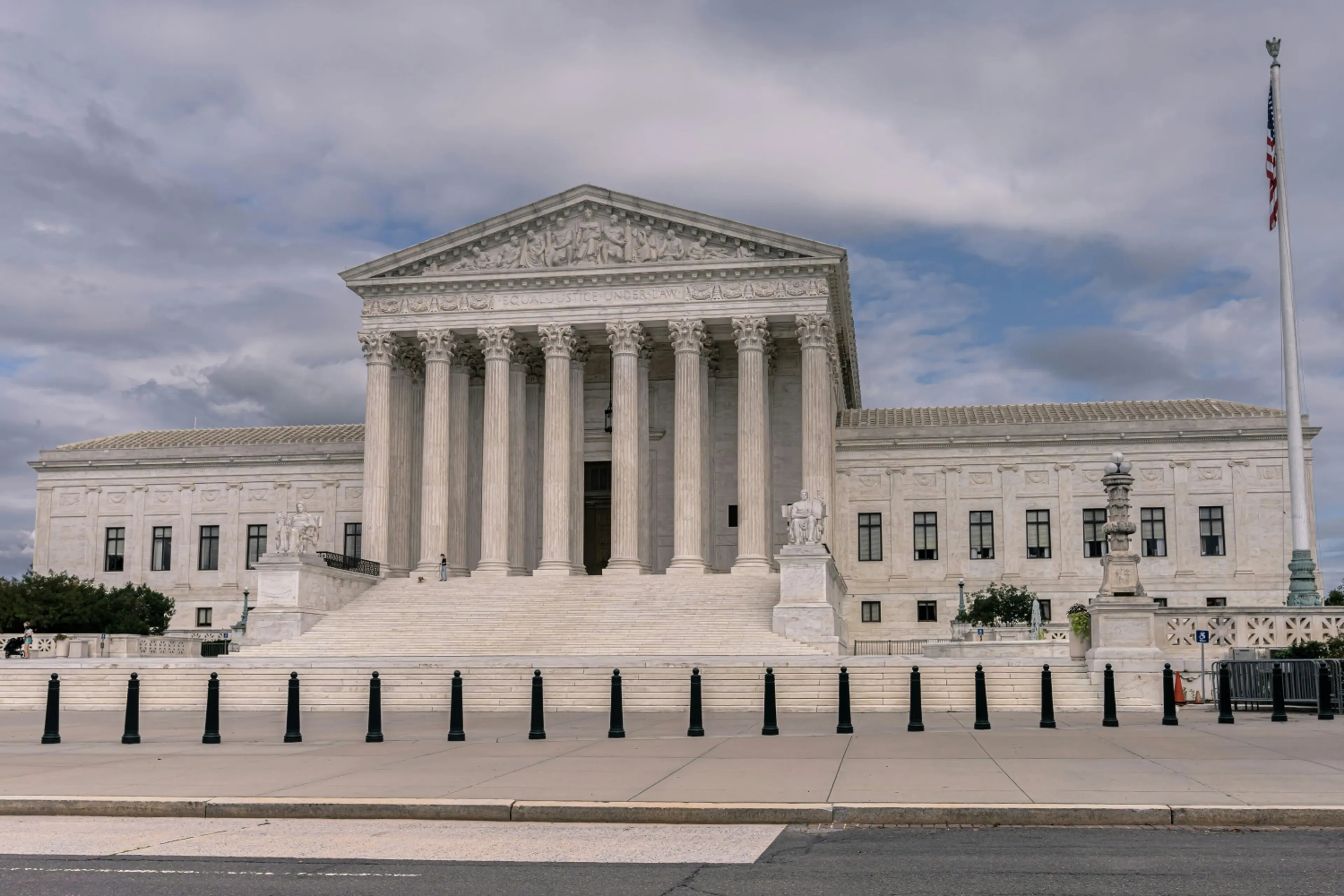
Two U.S. Supreme Court decisions will impact how geofence warrants can be obtained by law enforcement and affirm the presidential power to fire the heads of independent executive agencies.
Contributors:
Alex LaCasse
Staff Writer
IAPP
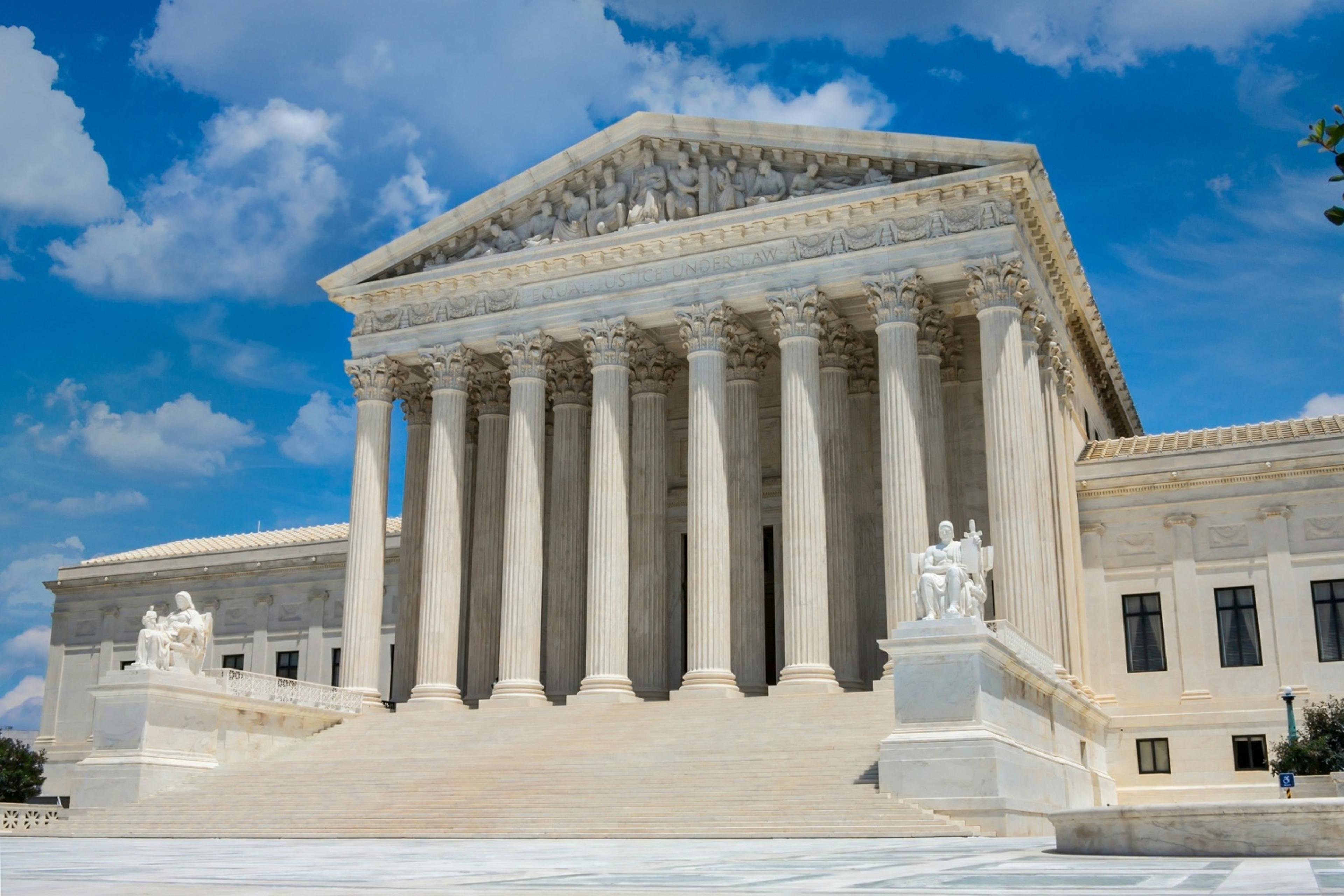
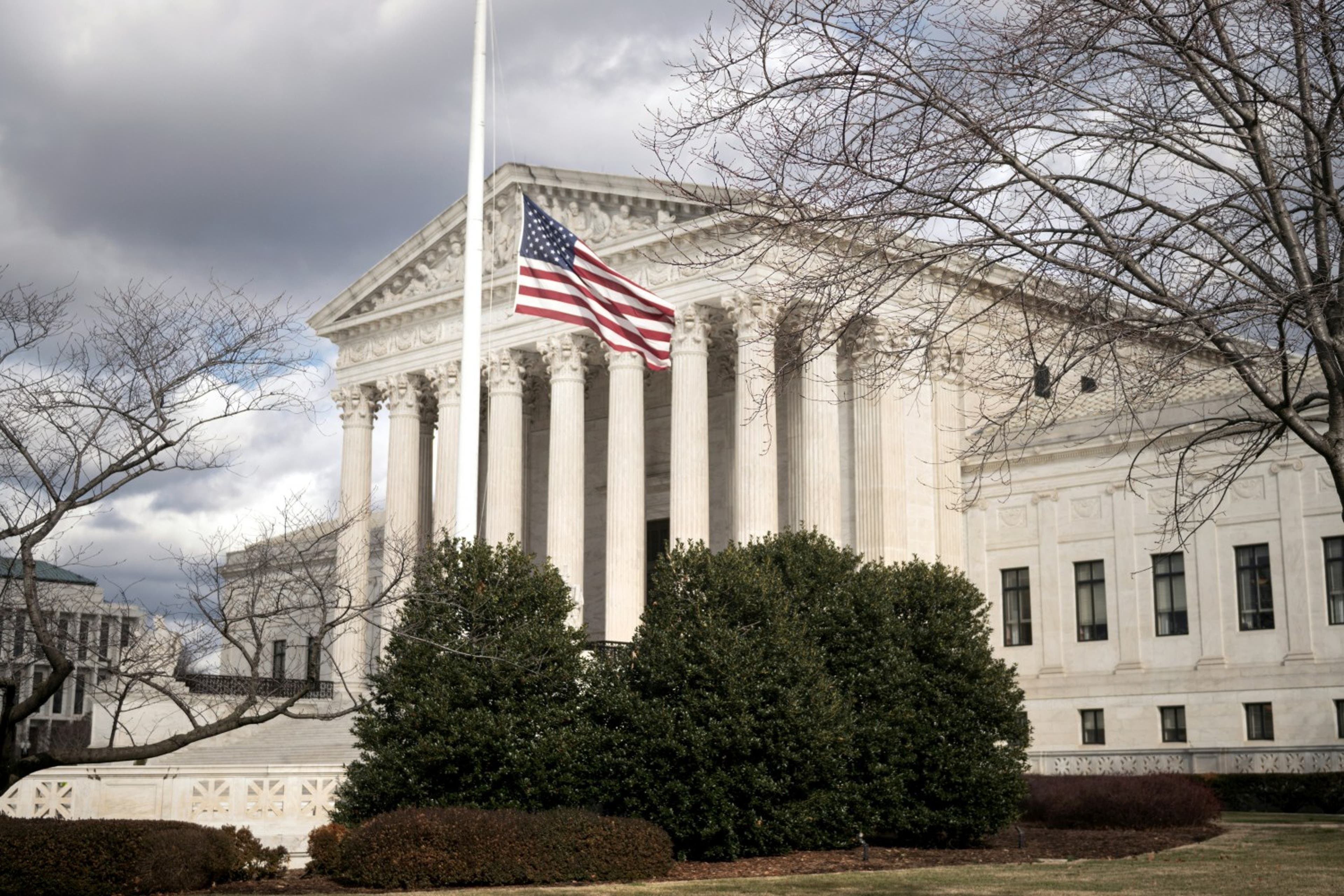
The U.S. Supreme Court issued a pair of rulings 29 June that will have far-reaching impacts on citizens' location privacy and how issues related to privacy in general are enforced by the federal government.
In the first ruling, in Chatrie v. United States, the Supreme Court's three liberal justices sided with three conservatives in a 6-3 decision to throw out an appellate court ruling that affirmed location data obtained using a geofence warrant to help convict a defendant in a bank robbery case could be used as evidence.
In the second ruling, Trump v. Slaughter, the justices' decision fell along ideological lines 6-3, with the conservatives in the majority, to allow the president to fire the heads of independent executive branch agencies.
Court rules geofence warrants are 4th Amendment searches
The Chatrie case involved a Virginia man, Okello Chatrie, who was convicted of robbing a credit union in 2019. Police served Google with a geofence warrant to obtain cellular location data, via its Location History feature, for all devices within a certain perimeter of the credit union in the 60 minutes before and after robbery occurred.
A geofence warrant allows law enforcement to compel a third-party technology provider, such as Google in this case, to provide customer location data for mobile devices that were in a specified vicinity at the time when a crime occurred.
In the majority opinion, the justices concluded that law enforcement conducted a search involving the Fourth Amendment and remanded the case back to a lower court to reconsider the legal validity of including the location data the geofence warrant obtained.
"We hold that police officers invade a cell-phone user's reasonable expectation of privacy when they access his Location History. It does not matter if the time period scrutinized was only two hours," the opinion written by Justice Elena Kagan stated. "Nor does it matter that the materials obtained were handed over by a third-party tech company. When the government 'accesses historical cell phone' location information ... it 'conducts a search under the Fourth Amendment.'"
Slaughter decision overturns 91-year-old precedent
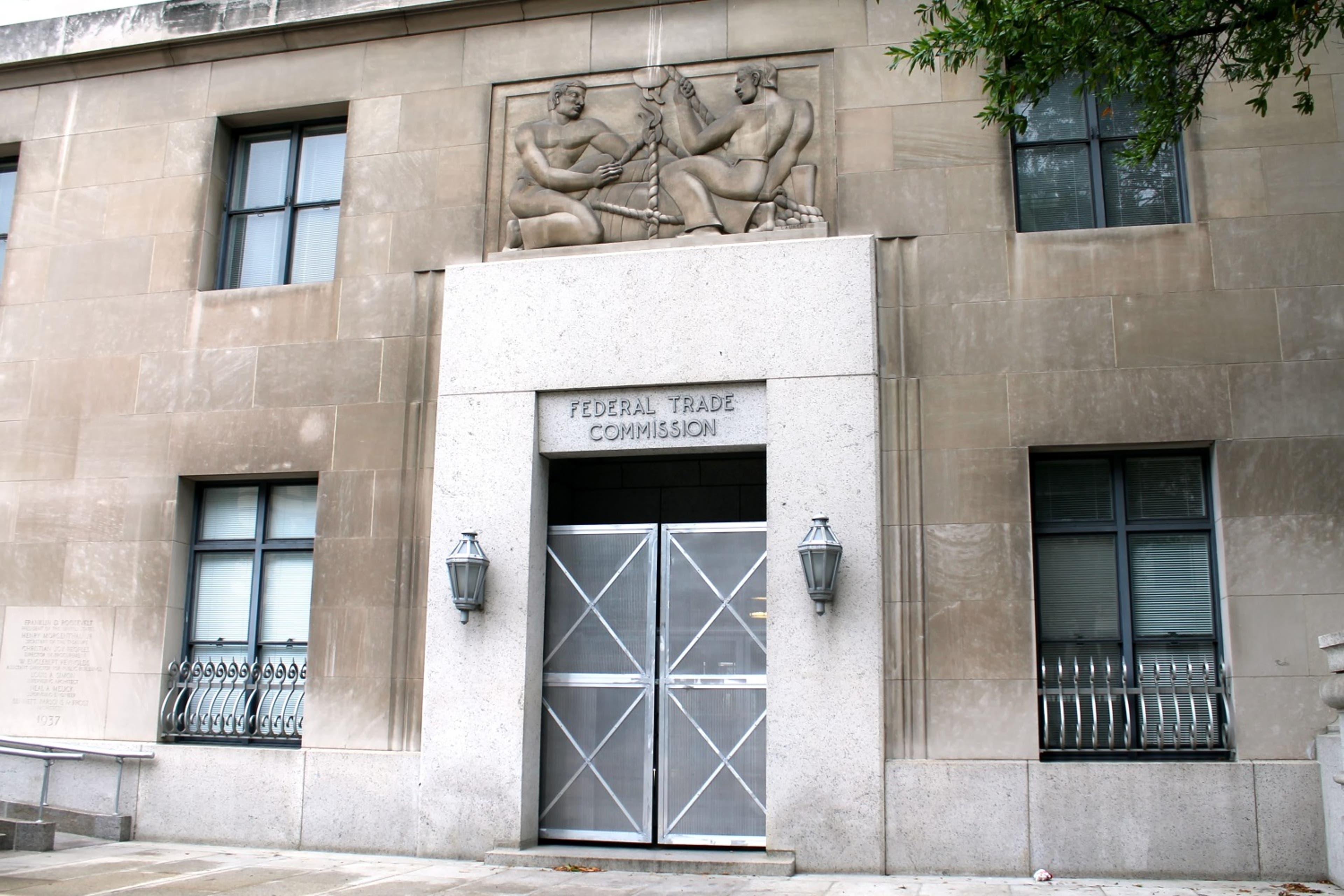
The Slaughter case emanated from an appeal brought by the Trump administration after the White House fired Federal Trade Commissioner Rebecca Kelly Slaughter last year, and she sued to be reinstated. A U.S. District Court for the District of Columbia ruling ordered the Trump administration to reinstate her, and the administration appealed the ruling in the U.S. Court of Appeals for the D.C. Circuit.
The 6-3 decision by the conservative majority overturns a 91-year-old ruling known as Humphrey's Executor that established the president could only remove the heads of the roughly two dozen independent executive agencies, such as the FTC, for cause. The ruling represents a key victory for proponents of the unitary executive theory, which is a legal concept that a president should have total control of the executive branch under powers delegated by Article II of the Constitution.
"The President must have the assistance of officers he can trust ... Although it is up to the Senate to decide whether to confirm those with whom the President would prefer to work, neither Congress nor the courts may saddle him with those with whom he cannot work," Chief Justice John Roberts wrote in the majority's decision. "Subordinates who exercise the President's power are subject to removal by him. Then, and only then, can they remain accountable to the President, and the President to the people."
In an interview with CNBC, Slaughter said the decision "hands a massive amount power away from Congress and to the president to shape economic decision-making."
"I am shocked when the court overturns a unanimous, 91-year-old precedent that has been used to shape so much of our government institutions," Slaughter said. "I knew this was where the president wanted to go … It's important to fight for the right principles because they are the right principles, and I remain convinced that the principles of checks and balances, and an economy that works for working people, remain the correct ones."

This content is eligible for Continuing Professional Education credits. Please self-submit according to CPE policy guidelines.
Submit for CPEsContributors:
Alex LaCasse
Staff Writer
IAPP
Tags: