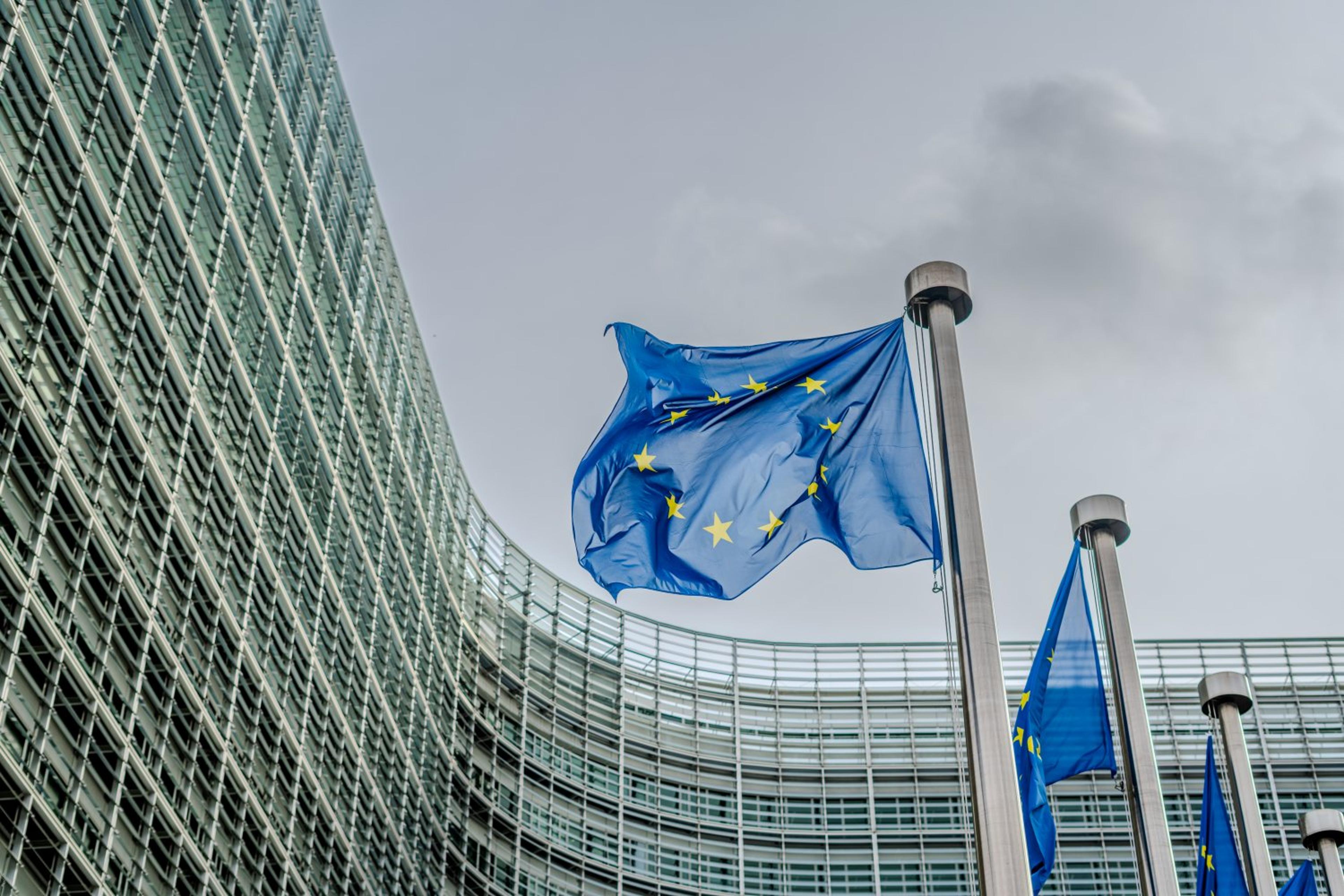
EU AI Act reform talks stall as key compliance deadline looms

Trilogue negotiations for reforming the EU AI Act under the Digital Omnibus for AI were delayed after the Parliament and Council disagreed on the act's overlap with sectoral regulations. Talks will resume next month ahead of a looming compliance deadline in August.
Contributors:
Jedidiah Bracy
Editorial Director
IAPP
Potential reforms to the EU's landmark AI Act are facing a delay after the European Parliament and the Council of the European Union were unable to reach a common negotiating position. After 12 hours of negotiations that began 28 April and concluded in the early morning hours the next day, the institutions decided to resume talks next month.
A key issue under the European Commission's proposed Digital Omnibus on AI, which was introduced 19 Nov. 2025, is the delayed application of high-risk AI rules. EU lawmakers and member states previously aligned on postponing the compliance date for high-risk AI systems classified under the AI Act's Annex III to 2 Dec. 2027 and for AI that is embedded in regulated products under Annex I to 2 Aug. 2028.
However, a delay in the trilogue negotiations could mean that high-risk systems under Annex III would still need to comply by the AI Act's original 2 Aug. 2026 compliance deadline.
"It was not possible to reach an agreement with the European Parliament," a Cypriot official told Reuters. Cyprus is currently heading the rotating presidency of the EU council.
"Big Tech is probably popping champagne. While European companies that care about safety and did their homework now face regulatory chaos," Dutch MEP Kim van Sparrentak told Reuters.
What's at issue?
While negotiators had alignment on the timeline prior to the trilogue negotiations, a stumbling block involves high-risk AI systems that are embedded in products, including medical devices and toys, among others. According to MLex Chief AI Correspondent Luca Bertuzzi, the "talks broke down around 2 am, with the expected fault line on the European Parliament's push to move sectoral legislation from Annex I Section A to B." The council pushed back against the move, he wrote.
German Chancellor Friedrich Merz recently backed a push to ease restrictions on industrial AI, saying many products are already covered by sectoral regulations. A spokesperson from Siemens, a German-based company, told Politico that the EU reforms must deliver on the promise of "stopping double regulation."
Italian MEP Brando Benifei, who is parliament's lead negotiator on AI, said, "A complete sectoral shift would fragment the AI Act's horizontal framework into twelve separate compliance logics. ... I think it's important we explore alternatives with Council."
Euractiv's Maximilian Henning reports members of the Green Party are criticizing an alliance between the centrist European People's Party with the right in delaying the negotiations. Van Sparrentak, who is one of the Green's shadow leads on the AI reforms, said, "This is a German EPP coup together with the far right at the highest level."
EPP co-rapporteur Arba Kokalari, however, said, "The European Parliament has voted for a strong mandate that the AI Act needs simplification. We didn't conclude last night and need more time to finalize the negotiations in time for the high-risk rules in the AI Act. The Council needs to show that they are serious about cutting bureaucracy and overlapping regulations for European AI."
In comments provided to the IAPP, Digital Europe Director General Cecilia Bonefeld-Dahl said the delay "shows that the democratic process is working as it should: policymakers needed more time to discuss and industry needs to be heard. We now have another opportunity to get the AI Act right and to avoid adding up to 31 billion euros in unnecessary compliance costs. We strongly support the European Parliament and Germany's push for meaningful simplification for Europe's industrial sectors. European companies need clear, workable rules that support innovation and competitiveness."
Former AI Act negotiator Laura Caroli, who served as policy advisor to Benifei, criticized the delay, suggesting "the risk is torpedoing the AI Omnibus and, not less important, undermining the standardization ecosystem, which should be a strategic asset for Europe in the global context. I cannot see anything positive coming from all of this, not only for AI governance, but for European democracy itself. There is still a small window to fix this."
Reuters reports that individuals "with direct knowledge of the negotiations," said the next round of negotiations will restart in two weeks.

This content is eligible for Continuing Professional Education credits. Please self-submit according to CPE policy guidelines.
Submit for CPEsContributors:
Jedidiah Bracy
Editorial Director
IAPP